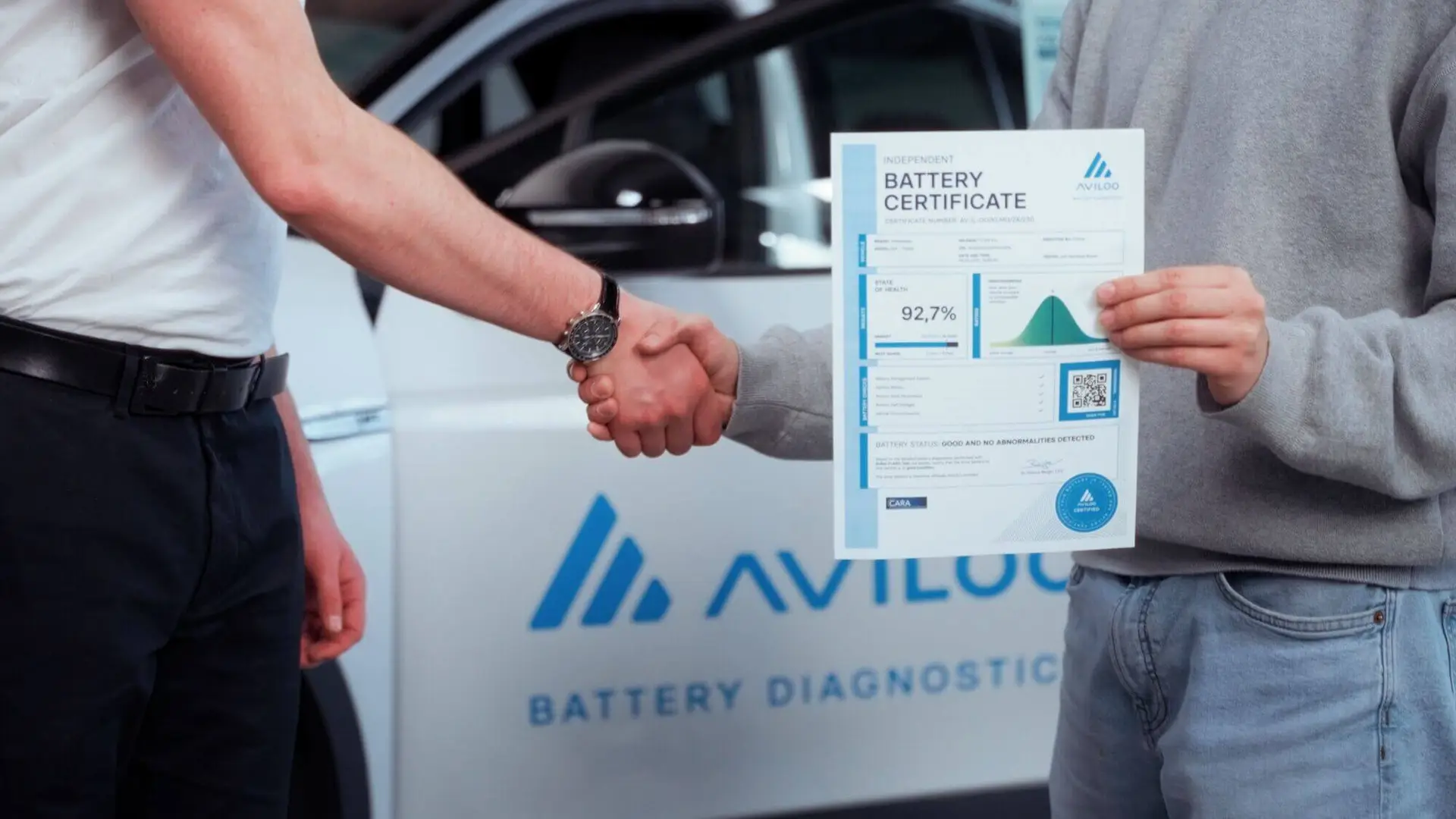

So, you’re wondering about EV battery degradation, right? It’s a common question for anyone considering an electric car, and understandably so. The good news is that the picture is a lot rosier than some might think, and it’s getting even better with newer technologies. Essentially, EV battery degradation refers to the gradual loss of a battery’s ability to hold a charge over time and with use. While it’s a natural process for all rechargeable batteries, including the ones in your phone or laptop, EV batteries are designed to be quite robust. Recent studies are showing that, in practice, most EV batteries are degrading more slowly than many initially feared, and they’re often outperforming the mechanical components of traditional gasoline cars.
How Batteries Lose Their Zing: The Basics
Think of your EV battery like a phone battery – you know how it doesn’t quite hold a charge for as long as it did when it was brand new? That’s degradation. It’s a natural aging process that affects the chemical components within the battery cells. This loss of capacity means your electric car won’t be able to travel quite as far on a single charge as it did when you first drove it off the lot. It’s important to remember, though, that this is a gradual process. We’re not talking about your car losing half its range overnight.
The Chemistry Involved (Without the Tedious Lecture)
At its heart, an EV battery, typically a lithium-ion type, works by moving lithium ions between two electrodes: the cathode and the anode. As these ions move back and forth during charging and discharging, a small amount of wear and tear occurs on the materials involved. Over thousands of charge and discharge cycles, these tiny changes accumulate, leading to a decrease in the battery’s overall ability to store and release energy. It’s a bit like how a road gets worn down with constant traffic.
Factors That Speed Things Up (and Those That Don’t)
It’s not just about how much you drive; how you drive and where you drive also play a role. We’ll dive into these specifics later, but understanding that various factors influence this natural decay is key. Some are more significant than others, and luckily, many of them are within your control to some extent.
What the Latest Data Tells Us: A More Optimistic Outlook
For a long time, the prevailing thought was that EV batteries would degrade significantly within a few years, requiring costly replacements. However, as more EVs have hit the road and accumulated real-world miles, the data paints a more positive and nuanced picture.
Geotab’s Insights: A Closer Look at Real-World Rates
A significant source of information comes from companies like Geotab, which analyze large datasets of EV battery performance. Their findings have been instrumental in shifting the conversation.
The Average Degradation Rate is Improving
Geotab’s 2024 update, analyzing a substantial chunk of real-world EV data, showed an average battery degradation rate of just 1.8% per year. This is a notable improvement compared to earlier analyses, which sometimes saw figures closer to 2.3% per year. This suggests that battery technology and battery management systems are getting better at protecting the cells.
Outperforming Traditional Cars
Perhaps surprisingly, Geotab’s research also points out that EV battery components often degrade more slowly than the complex drivetrain components of internal combustion engine (ICE) vehicles. Think about oil changes, exhaust systems, transmissions – these can all require maintenance and eventually replacement. EV batteries, while degrading, might have a longer lifespan of reliable performance without major component failures.
The Impact of Charging Habits: Fast Charging’s Double-Edged Sword
How you charge your EV is a major factor in how its battery ages. This is where some of the nuances in the data emerge.
Fast Charging vs. Slow Charging
This is a big one. While convenient, frequent use of high-power DC fast chargers can put more stress on your battery. Studies, including Geotab’s expanded 2025/2026 analysis, indicate that high-power fast charging can lead to degradation rates up to twice as high as low-power charging. We’re talking about average rates potentially reaching 3.0% per year with heavy fast charging versus 1.5% per year with more gentle charging.
What Does This Mean for You?
If you primarily charge at home overnight using a Level 1 or Level 2 charger, your battery is likely degrading much slower than someone who relies heavily on public DC fast chargers for most of their charging needs. The convenience of fast charging comes at a cost to battery longevity, though it’s still a gradual trade-off, not an immediate drain.
Climate Considerations: The Heat is On (and Not in a Good Way)
Where you live can also influence how quickly your EV battery degrades.
Hot Climates Accelerate Degradation
Geotab’s research highlights that EVs operating in consistently hot climates tend to degrade about 0.4% faster per year than those in more temperate or mild conditions. High temperatures are generally not friends with battery chemistry, accelerating the chemical reactions that lead to degradation.
Cold Climates and Charging
While extreme cold can temporarily reduce range and charging speed, it generally has less of a long-term detrimental effect on battery health compared to prolonged high heat. However, charging a very cold battery too quickly can also be stressful.
Realistic Battery Lifespan: What to Expect in the Long Run
With the improving degradation rates, battery life estimates are also stretching out.
Geotab’s Latest Lifespan Projections
Based on current observed degradation rates and the continued advancement of battery technology, Geotab now estimates the average EV battery lifespan to be around 13 years or more. This is a significant jump from earlier, more conservative estimates and aligns with the expectation that many EVs on the road today will have their original batteries for the vast majority of their operational life.
Stanford/SLAC Research: The “Normal Driving Pattern” Surprise
Recent research from institutions like Stanford and SLAC (Stanford Linear Accelerator Center) in late 2024 has added another interesting layer, suggesting that real
FAQs
What is EV battery degradation?
EV battery degradation refers to the gradual loss of the battery’s ability to hold a charge and deliver the same level of performance over time. This is a natural process that occurs as the battery is used and recharged.
What factors contribute to EV battery degradation?
Several factors contribute to EV battery degradation, including high temperatures, frequent fast charging, deep discharging, and the number of charge-discharge cycles. Additionally, the chemistry and design of the battery also play a role in its degradation.
How does EV battery degradation affect the performance of electric vehicles?
As the battery degrades, the range of the electric vehicle may decrease, and the time it takes to charge the battery may increase. Additionally, the overall performance of the vehicle, including acceleration and power delivery, may be affected.
Can EV battery degradation be prevented or minimized?
While EV battery degradation is inevitable, there are steps that can be taken to minimize its impact. This includes avoiding frequent fast charging, keeping the battery at moderate temperatures, and not letting the battery fully discharge regularly.
What are some strategies for managing EV battery degradation?
To manage EV battery degradation, it is important to follow the manufacturer’s guidelines for charging and discharging the battery. Additionally, regular maintenance and monitoring of the battery’s health can help identify any issues early on and prevent further degradation.