

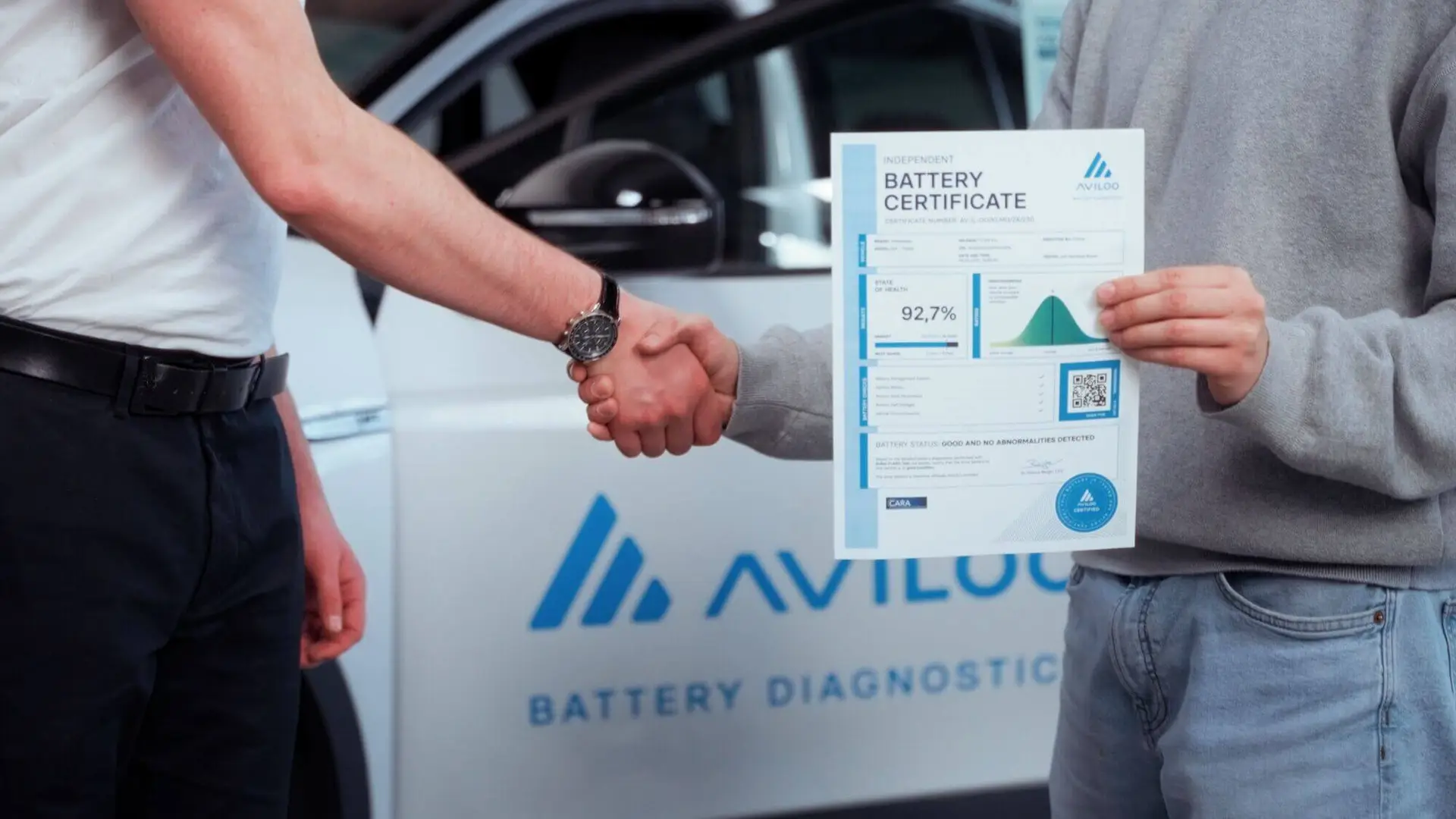
If you own an electric vehicle (EV) or are thinking about buying one, you’ve probably come across the term Battery State of Health (SOH). While it may sound technical, understanding SOH is one of the most important aspects of EV ownership.
Your battery is the heart of your electric vehicle. It determines how far you can drive, how efficiently your car performs, and ultimately how much your EV is worth in the future. Whether you’re a current EV owner or shopping for a used electric car, understanding battery health can help you make smarter decisions.
The good news? Modern EV batteries are proving to be remarkably durable. Studies analysing tens of thousands of electric vehicles show that battery degradation is generally much slower than many people expect. Most EV batteries retain the majority of their original capacity for many years, providing reliable performance well beyond the average ownership period.
However, like any advanced technology, batteries do age over time. Understanding what affects battery health allows you to maximise performance, extend battery life, and protect your investment.
What Is EV Battery State of Health (SOH)?
Battery State of Health (SOH) measures how much usable capacity your battery has compared to when it was new.
In simple terms, it tells you how much energy your battery can still store and deliver.
For example:
- 100% SOH = Battery performs like new.
- 90% SOH = Battery retains 90% of its original capacity.
- 80% SOH = Battery retains 80% of its original capacity.
- 70% SOH = Battery has experienced significant degradation and reduced range.
Think of SOH as the battery equivalent of engine condition in a petrol or diesel vehicle. It provides a snapshot of your battery’s long-term health and performance.
Why Battery State of Health Matters
The health of your EV battery directly affects:
Driving Range
A battery with a higher SOH can store more energy, meaning you’ll achieve closer to the manufacturer’s advertised range.
As SOH decreases, the maximum distance you can travel on a full charge also declines.
Vehicle Performance
A healthy battery delivers power more efficiently, helping maintain acceleration, responsiveness, and charging performance.
Resale Value
Battery condition is one of the biggest factors affecting used EV prices. Buyers increasingly request battery health reports before purchasing an electric vehicle.
Warranty Eligibility
Many EV manufacturers offer battery warranties that guarantee a minimum capacity retention level, typically around 70% to 80% SOH over a specific period.
Understanding Battery Degradation
Battery degradation is a natural process. Every rechargeable lithium-ion battery gradually loses capacity over time due to chemical changes inside the cells.
This doesn’t mean the battery is failing.
Instead, it means the battery slowly becomes less capable of storing the same amount of energy it once could.
Most modern EV batteries degrade gradually and remain highly usable for many years.
What Is Considered a Healthy EV Battery?
90% to 100% SOH
Excellent condition.
The battery retains nearly all of its original capacity and should provide close to its original driving range.
80% to 90% SOH
Good condition.
This is where many EVs remain after years of normal use. The battery is still considered healthy and fully functional.
Around 80% SOH
Industry benchmark.
Many manufacturers use 80% capacity retention as a reference point for battery health assessments.
Below 70% SOH
Significant degradation.
The battery may still operate safely but will likely experience noticeable reductions in range and usability.
What Causes EV Battery Degradation?
Several factors can influence how quickly an EV battery loses capacity.
1. Frequent DC Fast Charging
Fast charging is incredibly convenient, especially during long journeys. However, repeated use of high-power DC rapid chargers can accelerate battery wear.
Fast charging introduces:
- Higher electrical currents
- Increased heat generation
- Greater stress on battery cells
Occasional rapid charging isn’t a problem, but relying on it daily may contribute to faster degradation compared to slower charging methods.
2. Charging to 100% Too Often
Lithium-ion batteries perform best when operating within a moderate charge range.
Keeping a battery at:
- Above 90% for extended periods
- Below 10% for extended periods
can place additional stress on the battery’s chemistry.
Many EV experts recommend keeping daily charging between 20% and 80% whenever practical.
3. High Temperatures
Heat is one of the biggest contributors to long-term battery degradation.
Consistent exposure to high temperatures can accelerate chemical ageing inside battery cells.
To reduce heat-related degradation:
- Park in shaded areas when possible.
- Use battery thermal management systems.
- Enable battery pre-conditioning features if available.
4. Aggressive Driving
Frequent hard acceleration and high-speed driving increase energy demand and battery stress.
While occasional spirited driving won’t cause significant damage, smoother driving habits generally support better long-term battery health.
5. Heavy Towing and Loads
Regular towing or carrying heavy loads requires more energy from the battery.
Over time, this additional workload may contribute to slightly faster degradation compared to lighter daily driving.
How to Check Your EV Battery State of Health
Use Your Vehicle’s Built-In Battery Health Display
Many modern EVs provide battery health information directly through the dashboard or infotainment system.
Depending on the manufacturer, you may see:
- Battery Health Percentage
- Capacity Retention
- Health Status Indicators such as Excellent, Good, or Fair
Check your owner’s manual to locate this information.
Monitor Full-Charge Range
While not a precise measurement, your estimated range after a full charge can provide clues about battery health.
If the vehicle’s range has dropped significantly compared to when it was new, some degradation may have occurred.
Use an OBD-II Scanner
Many EV owners use OBD-II diagnostic tools combined with specialist smartphone apps.
These tools can access detailed battery data, including:
- State of Health
- Cell voltages
- Battery temperature
- Charging statistics
Obtain a Professional Battery Health Report
Dealerships and EV specialists can perform comprehensive battery diagnostics and provide detailed reports.
This is often the most accurate method, particularly when buying or selling a used EV.
Buying a Used EV? Check Battery Health First
When purchasing a used electric vehicle, battery health should be one of your top priorities.
The battery is typically the most expensive component in the vehicle, making its condition a critical factor.
Ask for a Battery Health Report
Request documentation showing the battery’s current SOH.
A formal diagnostic report provides far more reliable information than estimated range figures alone.
Check Remaining Warranty Coverage
Many EV manufacturers provide battery warranties covering:
- 8 years
- 100,000 miles (or more)
- Minimum capacity guarantees
Understanding the remaining warranty coverage can offer valuable peace of mind.
Compare Real-World Range
Test the vehicle where possible and compare its actual range against expected figures for that model.
Look for Transparency
A trustworthy seller should be willing to discuss battery health openly and provide supporting documentation.
Best Practices for Maintaining EV Battery Health
Prioritise Slow Charging
Whenever possible, use:
- Level 1 charging
- Level 2 charging
These methods generate less heat and place less stress on battery cells.
Limit Frequent Fast Charging
DC rapid chargers are excellent for long-distance travel but should not be your primary charging method if slower charging options are available.
Avoid Extreme Charge Levels
For daily use:
- Aim to stay between 20% and 80%.
- Avoid leaving the battery at 100% for extended periods.
- Avoid regularly running the battery down to near empty.
Protect the Battery from Heat
In hot weather:
- Park in shaded areas.
- Use battery pre-conditioning.
- Keep the vehicle plugged in during charging where appropriate.
Drive Smoothly
Gentle acceleration, steady motorway speeds, and anticipatory braking can all help reduce battery stress and improve efficiency.
The Future of EV Battery Longevity
Battery technology continues to improve rapidly.
Manufacturers are developing:
- More advanced battery chemistries
- Improved cooling systems
- Smarter battery management software
- Faster charging technologies with reduced degradation impact
As a result, modern EV batteries are lasting longer than ever before, with many expected to remain usable for hundreds of thousands of miles.
Final Thoughts
Battery State of Health is one of the most important metrics for understanding an electric vehicle’s long-term performance and value.
A healthy battery delivers better range, stronger performance, and greater resale value. Fortunately, most modern EV batteries degrade slowly and can provide many years of reliable service when properly cared for.
By adopting smart charging habits, avoiding excessive heat exposure, and monitoring battery health periodically, you can maximise the lifespan of your EV battery and enjoy worry-free electric driving for years to come.
Frequently Asked Questions
What is EV battery State of Health (SOH)?
State of Health (SOH) is a measurement that compares a battery’s current usable capacity with its original capacity when new. It is usually expressed as a percentage.
What is considered a good battery SOH?
Most experts consider anything above 80% SOH to be healthy and suitable for everyday driving.
Does fast charging damage EV batteries?
Occasional fast charging is unlikely to cause significant harm. However, frequent reliance on DC rapid charging can contribute to faster battery degradation over time.
How can I check my EV battery health?
You can check battery health through your vehicle’s built-in diagnostics, OBD-II tools, specialist apps, or a professional battery health report.
Can an EV battery last 10 years?
Yes. Most modern EV batteries are designed to last well beyond 10 years and often retain a large percentage of their original capacity throughout that period.
What is the biggest cause of EV battery degradation?
High temperatures and frequent fast charging are generally considered the most significant contributors to long-term battery degradation.