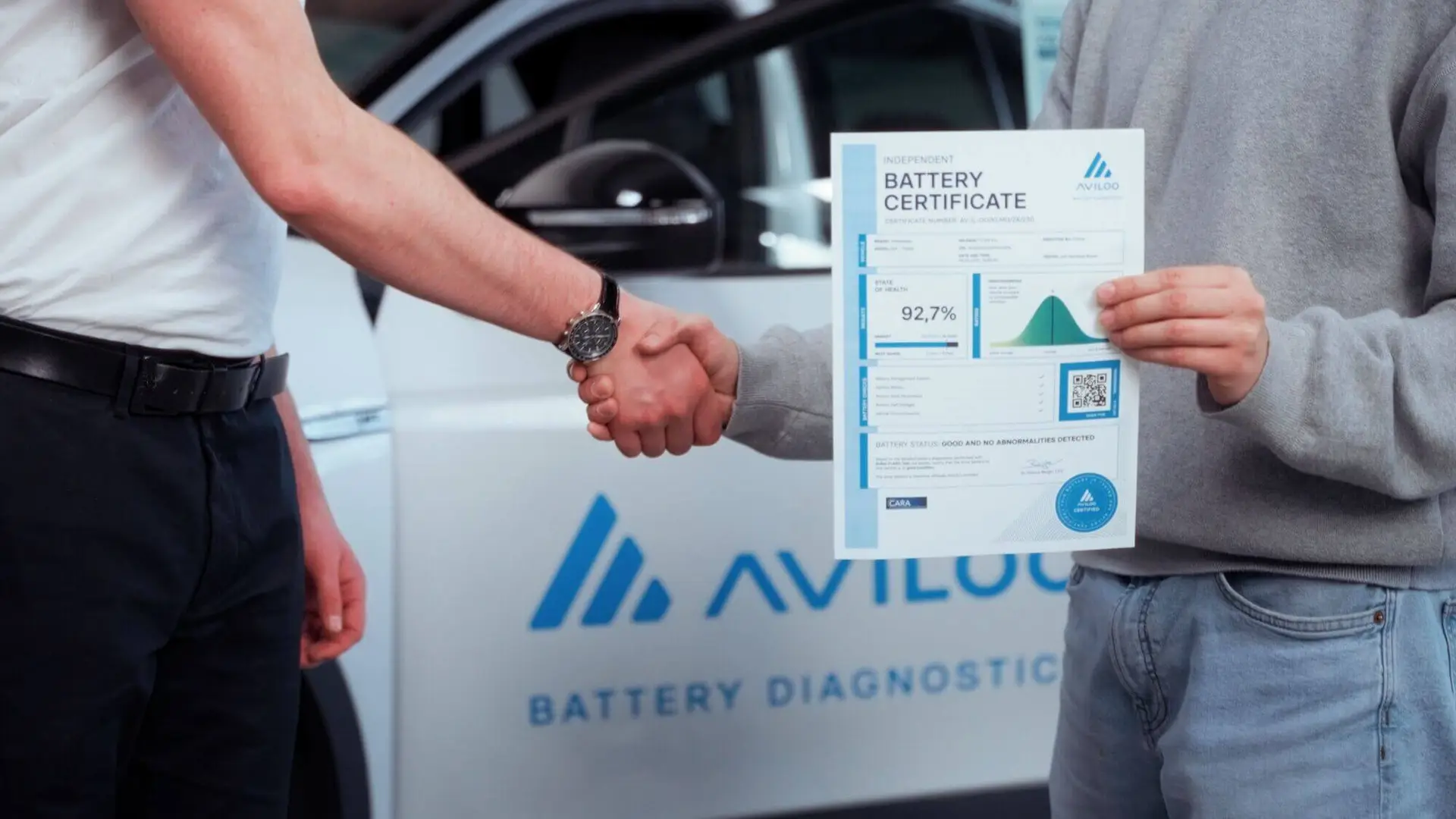

Ever wondered how to keep your electric vehicle (EV) battery running smoothly for the long haul? The short answer is regular “health checks.” These aren’t just fancy diagnostic scans; they’re about understanding how your battery is doing, spotting any issues early, and making sure you get the most out of your EV’s range and reliability. Think of it like a routine check-up for your car’s most important component.
Your EV’s battery is the heart of the vehicle, and like any heart, it benefits from a bit of attention. Regular health checks give you a clear picture of its condition over time. This isn’t just about curiosity; it’s about being proactive.
Tracking the State of Health
The “state of health” (SOH) is a key metric. It tells you how much capacity your battery has left compared to when it was new. It naturally degrades over time, but tracking this helps you understand the pace of that degradation. Are you losing capacity faster than expected? A health check can tell you.
Monitoring Temperature Fluctuations
Extreme temperatures are not a friend to EV batteries. Health checks often include monitoring the battery’s operating temperatures, both during driving and charging. This helps identify if your thermal management system is working as it should and if there are any areas where the battery might be getting too hot or too cold.
Understanding Charging Habits’ Impact
Believe it or not, how you charge makes a significant difference to your battery’s longevity. A health check can sometimes highlight patterns in your charging behavior that might be stressing the battery. This information can then help you adjust your habits for the better.
Spotting Capacity Loss Early
Catching capacity loss early is crucial. If you notice a quicker-than-expected drop in range, a health check can confirm if it’s due to actual battery degradation or something simpler like tire pressure or driving style. Early detection means you can address potential issues before they become major problems. Maintaining your range and reliability directly correlates with how well you understand and care for your battery.
Annual Capacity Tests: A Deeper Dive
While regular monitoring offers ongoing insights, an annual capacity test provides a more definitive benchmark. It’s like an annual physical for your battery.
Measuring Degradation Over Time
An annual capacity test aims to accurately measure the battery’s current usable capacity. This measurement, compared to its original capacity, gives you a clear percentage of degradation. It’s a concrete number that quantifies how much your battery has aged.
Identifying Wear Trends Sooner
With annual data points, you can start to identify trends in your battery’s wear. Is the degradation curve steeper than expected? Are there particular times of the year or charging patterns that seem to accelerate capacity loss? These trends can be invaluable for making informed decisions about your EV’s care and even its resale value down the line. It’s about data-driven maintenance.
The Art of Charging: Habits That Matter Most

How you plug in and power up your EV has the biggest impact on its long-term health. It’s not about being obsessive, but rather smart about your charging routine.
Avoiding Frequent Full Charges
While it might feel satisfying to hit 100% every time, frequently charging to full capacity can put extra stress on the battery’s chemistry. It’s generally recommended to avoid making 100% charges a daily habit, especially if the car will sit for long periods immediately afterward.
Limiting Fast Charging
DC fast charging is convenient, no doubt. But repeatedly fast charging, particularly when the battery is already quite full or very cold, generates more heat and can accelerate degradation. Think of fast charging as a tool for road trips or emergencies, not your everyday routine.
Keeping Daily Use in a Moderate Range
The sweet spot for daily charging often falls within a “moderate charge range.” This commonly cited range is between 20% and 80%. This isn’t just an old wives’ tale; it minimizes stress on the battery cells and helps them last longer. One interesting bit of real-world data shared that the strict 20%-80% rule is most critical when your EV is sitting for extended periods at either extremely high or low charge states. For typical daily driving, the boundaries might be a bit more flexible than previously thought, suggesting that everyday use is less sensitive than older advice indicates. Still, aiming for the middle ground is a good general practice.
Thermal Management: Keeping Your Cool

Temperature plays a surprisingly large role in battery longevity. Keeping your battery within its optimal temperature range is crucial.
Charging When the Battery Is Cool
Whenever possible, try to charge your EV when the battery temperature is moderate, rather than extremely hot or cold. Charging a very cold battery, for instance, can stress the cells and reduce regeneration efficiency. If your car has a pre-conditioning feature, use it, especially in colder climates, to warm the battery slightly before charging.
Avoiding Extreme Temperatures
Leaving your EV parked for extended periods in scorching sun or freezing cold can impact battery life. While modern EVs have robust thermal management systems designed to protect the battery, consistently exposing it to extremes pushes those systems harder and can still contribute to degradation over time. Parking in a garage or shaded area whenever possible can make a difference.
Checking Coolant Systems
Your EV’s thermal management system relies on a coolant system to regulate battery temperature. Just like a traditional car’s engine coolant, this system needs to be in good working order. Any signs of leaks, unusual noises, or warning lights related to the cooling system should be investigated promptly. Proper functioning of these systems directly reduces heat-related battery wear.
Longer Than Expected: What New Data Tells Us
| Vehicle Model | Battery Health (%) | Last Checkup Date |
|---|---|---|
| Tesla Model S | 95 | 2021-08-15 |
| Nissan Leaf | 88 | 2021-09-20 |
| Chevrolet Bolt | 92 | 2021-07-25 |
It’s easy to get caught up in worrying about battery degradation, but recent findings offer a more optimistic outlook. The reality might be better than we initially thought.
Real-World Data Adds Nuance
Early predictions about EV battery life were often based on laboratory tests or smaller datasets. However, as millions of EVs hit the road, we’re gathering a wealth of real-world data. This data offers a more nuanced understanding of how batteries perform under diverse conditions. It’s showing us that general use might be less damaging than theoretical models sometimes suggested.
Stanford Research Indicates Greater Longevity
A particularly encouraging piece of news comes from Stanford researchers. Their studies, based on real-world driving conditions, indicate that EV batteries might actually last about a third longer than previously forecast. This is fantastic news for current and prospective EV owners, reinforcing the idea that these batteries are robust and durable.
The Value of Ongoing Monitoring
This longer-than-expected battery life doesn’t mean we can forget about maintenance. Quite the opposite, actually. The finding reinforces the immense value of ongoing monitoring and sensible charging practices. If these batteries are capable of lasting significantly longer, then taking good care of them becomes even more rewarding, ensuring you get every bit of that extended lifespan. Regular health checks become even more important as a tool to realize this full potential, giving you the peace of mind that your battery is on track for the long haul. Remember, a little proactive care goes a long way in ensuring your EV remains a reliable and efficient mode of transport for many years to come.
FAQs
What is an EV battery health check?
An EV battery health check is a diagnostic process that assesses the overall condition and performance of the battery in an electric vehicle. It involves testing the battery’s capacity, voltage, and overall health to ensure it is functioning optimally.
Why is an EV battery health check important?
Regular EV battery health checks are important to ensure the longevity and performance of the battery. By monitoring the health of the battery, potential issues can be identified early and addressed, ultimately extending the lifespan of the battery and maintaining the vehicle’s efficiency.
How often should an EV battery health check be performed?
The frequency of EV battery health checks can vary depending on the manufacturer’s recommendations and the age of the vehicle. Generally, it is recommended to have the battery health checked at least once a year or every 10,000-15,000 miles to ensure optimal performance.
What are the common methods used for EV battery health checks?
Common methods for EV battery health checks include diagnostic tools that measure the battery’s state of charge, voltage, and capacity. Additionally, some manufacturers may use specialized software and equipment to conduct more in-depth assessments of the battery’s health.
Can an EV battery health check be performed by the vehicle owner?
While some basic battery health checks can be performed by the vehicle owner using diagnostic tools or apps provided by the manufacturer, more comprehensive assessments are typically conducted by trained technicians at authorized service centers. It is important to follow the manufacturer’s guidelines for battery health checks to ensure accuracy and reliability.